Vancouver vs. Salmon Creek: Which Daily-Life Fit Helps You Narrow Your Home Search?
Vancouver vs. Salmon Creek: Daily Rhythms, Commutes, and Home Search Priorities
Choosing between Vancouver and Salmon Creek often comes down to the details of everyday life rather than a simple checklist of bedrooms and square footage. The two areas are close enough to share many regional advantages, yet each offers a distinct pace, mix of housing, and pattern of amenities. If your home search feels broad right now, comparing how a typical weekday and weekend might look in each location can make the decision much clearer.

Vancouver tends to appeal to buyers who want quick access to a broad range of errands, dining options, services, and regional transportation routes. Depending on the neighborhood, it can offer a more urban or mixed suburban feel, with established residential streets, newer developments, and pockets of denser housing. For many buyers, that means more opportunities to compare property types, from condos and townhomes to detached houses with varying lot sizes.
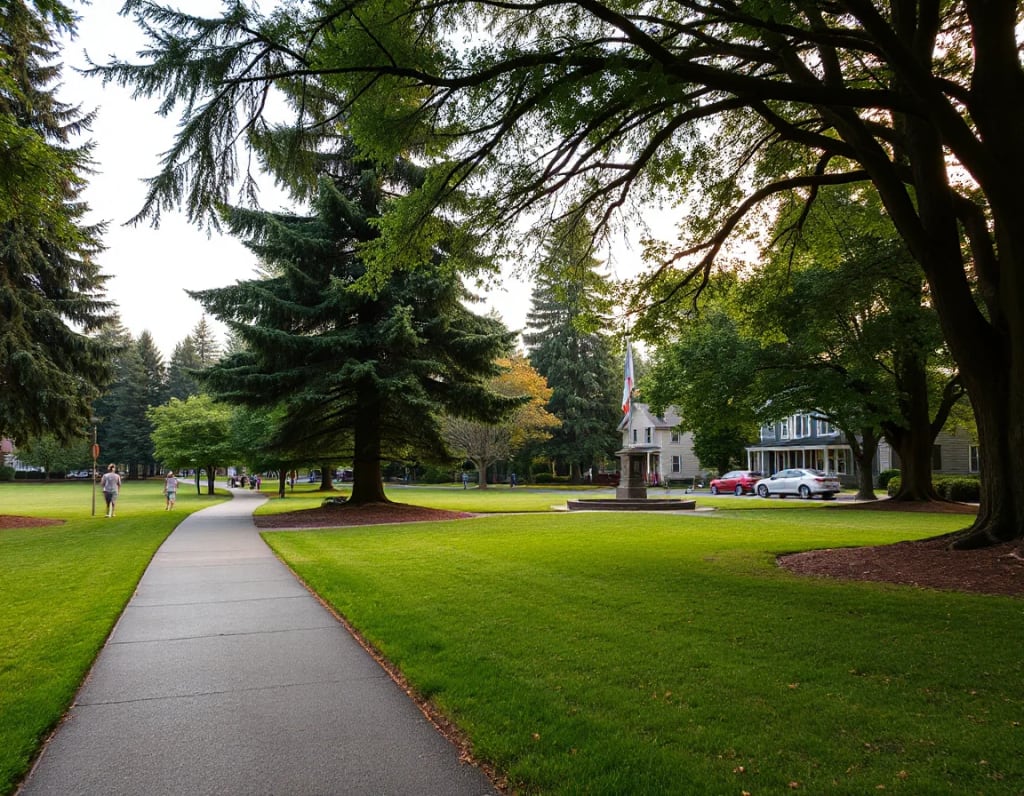
Salmon Creek, by contrast, often feels more centered on convenience paired with a quieter, more spread-out layout. Everyday stops may be easy to reach without the busier rhythm found in some parts of Vancouver, and many buyers appreciate the balance between residential streets, green space, and access to major roads. While the area is not far from city amenities, its day-to-day atmosphere can feel a bit more removed from the busiest corridors, which matters if your ideal home base is calm but connected.
One practical way to compare the two is to map your most frequent destinations. Think beyond a work commute and include grocery runs, fitness routines, parks, medical appointments, coffee breaks, and evenings out. A location that looks similar on paper can feel very different once you estimate how often you will cross town, use major highways, or rely on nearby services. In that sense, narrowing your search is less about declaring one area better than the other and more about matching the map to your actual routine.
What the Housing Mix Can Tell You
Housing inventory often reveals the clearest lifestyle clues. In Vancouver, buyers may find a wider variety of home styles and lot configurations depending on the neighborhood. Some areas lean toward established properties with mature landscaping and classic layouts, while others feature newer construction with open floor plans, contemporary finishes, and lower-maintenance yards. If flexibility in housing type is high on your list, that broader spread can be useful during a competitive search.
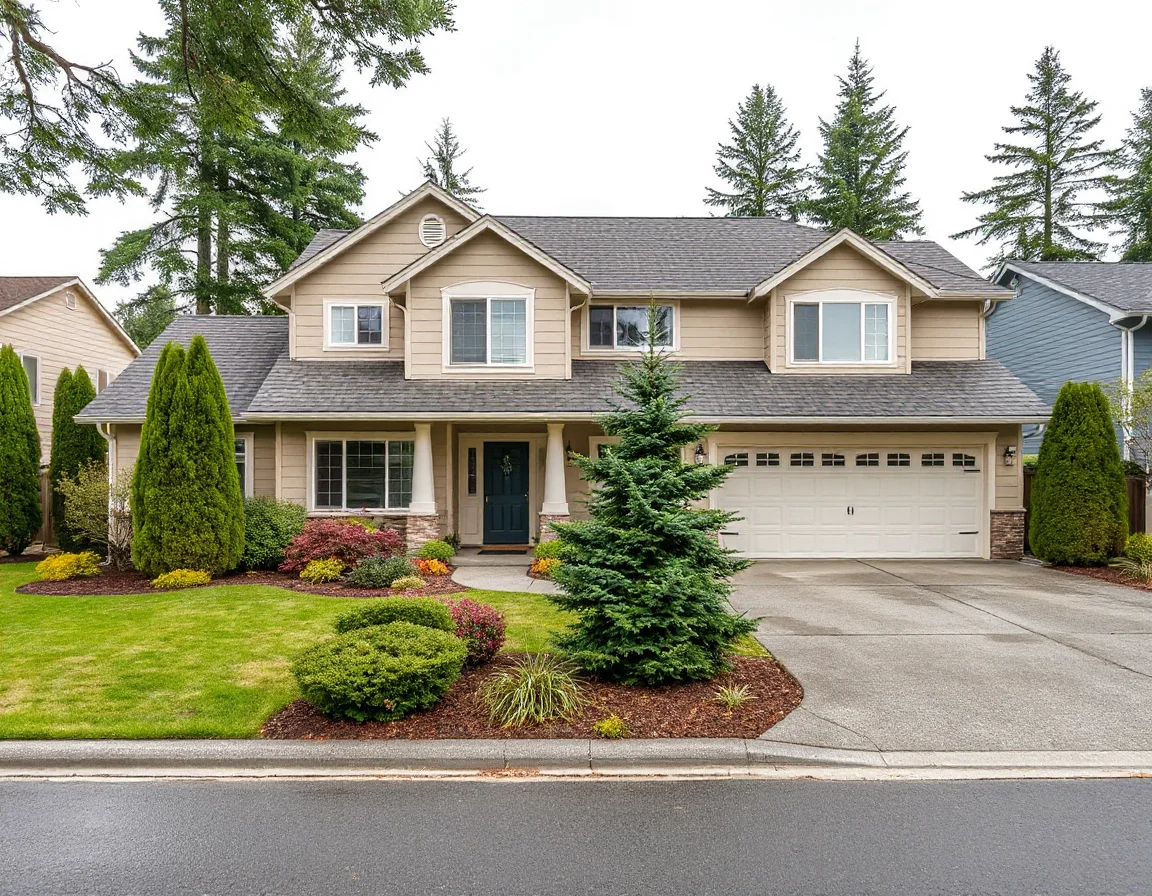
In Salmon Creek, the housing conversation often centers on space planning and neighborhood layout. Buyers may encounter subdivisions with more consistent architecture, homes that prioritize comfortable interior flow, and streets designed around residential continuity rather than mixed-use density. That can be especially helpful for shoppers who want a search process with fewer variables and a more defined sense of what each pocket of the area offers.
Price trends, days on market, and available inventory can also shape the choice. In a market with limited supply, buyers often need to decide whether variety or consistency matters more. Vancouver may provide more listings across a broader range of settings, while Salmon Creek may offer a narrower but highly appealing selection for buyers who already know they want a suburban environment with straightforward access to daily needs. Looking closely at maintenance levels, lot sizes, HOA structures where applicable, and renovation timelines can help convert a general preference into a focused search strategy.
Schools are often part of a buyer’s research process as well, and the key is to stay objective: review district boundaries, school assignment tools, commute routes, and public performance information directly from official sources. The same neutral approach applies to parks, libraries, trail systems, and recreation facilities. What matters most is how these features support your own schedule and priorities, whether that means proximity to open space, athletic facilities, or a shorter drive to routine appointments.
Errands, Recreation, and Weekend Energy
Daily convenience is where these two areas begin to separate in a noticeable way. Vancouver offers more layers of activity, with broader retail corridors, cultural venues, waterfront access in certain areas, and a wider mix of dining and entertainment choices. That can make spontaneous plans easier. If you like having multiple options for an evening walk, a casual meal, or a change of scenery after work, Vancouver may feel naturally aligned with that rhythm.
Salmon Creek often shines when buyers want practical convenience without quite as much day-to-day bustle. Nearby parks, trail access, and neighborhood-serving amenities can create a pattern where errands feel efficient and recreation feels close at hand. The appeal here is often subtle: less about constant activity and more about dependable ease. For many people, that makes weekends feel less scheduled and more flexible.
Outdoor access is another helpful comparison point. Southwest Washington offers a strong mix of regional green space, river access, and trails, but how you use that access matters. If your routine includes frequent outings to local parks or quick drives to walking paths, compare travel times from the neighborhoods you’re considering. A home that is five or ten minutes closer to the places you actually use can have an outsized effect on quality of life over time.

Dining and local gathering places can play a similar role. Vancouver generally offers a wider range of choices and a more varied pattern of commercial areas, while Salmon Creek can feel simpler and more routine-driven. Neither is inherently preferable; the better fit depends on whether you enjoy having many options close by or prefer a home base where most needs are covered without feeling surrounded by constant activity.
How to Use This Comparison in Your Search
A useful next step is to rank your top five “daily-life filters.” These might include commute time, access to parks, housing style, yard size, proximity to errands, or the number of nearby dining options. Once you score Vancouver and Salmon Creek against those filters, your search becomes more concrete. Instead of browsing every available listing, you can focus on the places that support your preferred routine.
The most effective home search is rarely about finding the most impressive listing in isolation. It is about identifying the setting that makes ordinary days work smoothly. Vancouver may stand out if you want more variety, broader housing choices, and easier access to a larger range of amenities. Salmon Creek may rise to the top if you value a more residential rhythm, practical convenience, and a setting that feels a bit more tucked away while staying connected to the region.
When buyers compare the two through the lens of real habits rather than broad assumptions, the answer usually becomes easier to see. By focusing on commute patterns, neighborhood layout, home styles, recreation access, and everyday errands, you can narrow your search with more confidence and less guesswork. That kind of clarity is what turns a large market into a manageable, well-matched shortlist.